
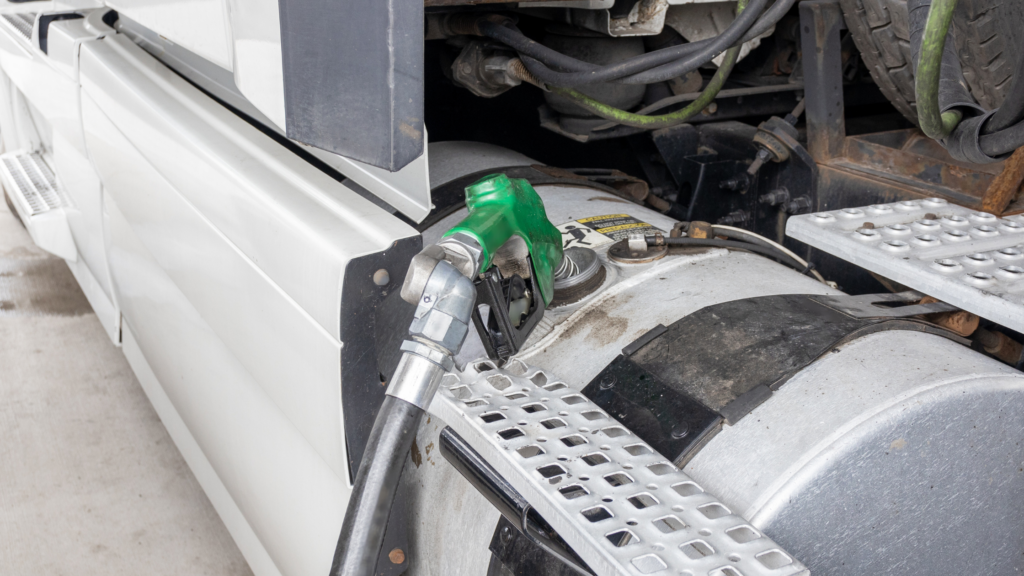
As the year winds down and shippers start building budgets for the next one, fuel is almost always near the top of the list of concerns. Diesel prices rise and fall with markets that no shipper can control. What companies can control is how many gallons their freight consumes on the way from origin to destination. And one of the most reliable ways to lower that number has less to do with any single tool and more to do with how the transportation operation is structured in the first place.
That is where Dedicated Contract Carriage (DCC) comes in. By assigning trucks and drivers exclusively to one customer and running them on consistent, scheduled, and planned routes, DCC gives shippers the control over capacity and operations they need to run leaner and burn less fuel.
Why Fuel Waste Starts With Unpredictable Capacity
When freight moves through the spot market or a rotating mix of common carriers, each load is often treated as a one-off transaction. Trucks may travel empty to reach your dock, sit and wait for freight, or plan their day around other customers’ shipments. Those miles and hours still burn fuel, and that cost gets built into the rates you pay.
Common sources of fuel waste in unplanned operations include:
- Empty miles from repositioning trucks between unrelated loads
- Idle time at docks when pickups and appointments do not line up
- Expedited shipments when capacity is not available at the moment it is needed
- Inconsistent routing because a different carrier or driver handles each run
- Partially loaded trucks sent out just to meet a deadline
Many of these costs never show up as a separate line on an invoice, which is part of why companies often underestimate the true cost of operating a private fleet or relying on outside carriers.
How Dedicated Capacity Changes the Equation
With DCC, the trucks and drivers serving your freight belong to your operation alone. That exclusivity matters for fuel because it makes real planning possible. When you know exactly what capacity you have each day, routes can be designed around your shipment patterns instead of someone else’s.
Consistent, Scheduled Routes
Routes that repeat on a predictable schedule can be refined over time. Planners learn which roads are most direct, which times of day avoid the heaviest congestion, and where fueling stops make the most sense. Every week a route runs, there is more information to make it a little more efficient. Over months, those small improvements add up to meaningful fuel savings.
Planned Loads and Fewer Empty Miles
When volume is known in advance, shipments can be consolidated into fuller loads, and outbound and inbound moves can be paired to cut down on deadhead miles. Fewer trucks carrying fuller loads means fewer gallons burned per unit shipped. This kind of planning is difficult when capacity is secured load by load, but it becomes standard practice in a dedicated network built around your freight.
Familiar Drivers on Familiar Routes
Dedicated drivers who run the same routes regularly know the roads, the customer locations, and the receiving procedures at each stop. That familiarity means less time searching for an entrance, fewer wrong turns, and smoother, steadier driving. Driver habits have a direct impact on fuel use, which is why driver training and low driver turnover are so important. Experienced drivers who stay with the same account tend to drive more efficiently than a constant rotation of new faces.
Coordinated Dock and Yard Activity
A truck idling at the dock burns fuel without moving any freight. In a dedicated operation, pickup and delivery appointments are built into the schedule, so trucks arrive when the dock is ready for them. Services like Dedicated Yard Management take this a step further by keeping trailers organized and moving efficiently within a facility, which shortens wait times and reduces unnecessary idling.
Equipment Matched to the Work
Because DCC is customized to each customer, equipment can be selected to fit the freight and the routes it runs. Trucks that are right-sized for the job avoid the fuel penalty of hauling more equipment than the freight requires. A well-maintained fleet also runs more efficiently, a topic we covered in Reducing Maintenance and Downtime with Dedicated Fleet Services.
Where Technology Fits In
Consistency is the foundation, and technology helps build on it. Routing software and telematics are most powerful when they have stable, repeatable routes to analyze and improve. We have explored this in more depth in Smarter Routes, Lower Fuel Costs: How Telematics and Route Optimization Cut Waste From Every Mile, How Smarter Routing Helps Reduce Fuel Costs, and Data-Driven Route Optimization: Smarter Routes, Stronger Supply Chains. You can also see the tools we use every day on our Technology page.
Fuel Savings That Build Over Time
The fuel benefits of a dedicated fleet are not a one-time win. Because routes, schedules, and drivers stay consistent, efficiency improvements carry forward week after week. That consistency also brings better cost predictability, which makes budgeting easier in a year when fuel prices are anything but predictable.
And the same planning that saves fuel supports other goals, too. Steady schedules help drive on-time delivery, and controlled operations contribute to safer roads. You can explore the full range of advantages on our Dedicated Fleet Benefits page.
Is a Dedicated Fleet Right for Your Operation?
DCC tends to deliver the strongest results for companies with regular, recurring freight. If you ship on a consistent weekly basis, have regular shipments within a 150-mile radius, or are tired of paying for empty miles and unpredictable capacity, a dedicated solution may be a good fit.
TQ Logistics has been providing Dedicated Contract Carriage to well-known Fortune 500 companies since 1999. With operations and management in 23 states and trucks in more than 40 states every week, DCC is our primary focus. Learn more about why companies choose TQ Logistics.
Ready to see where your fuel dollars are going? We offer a complimentary fleet analysis to help determine whether our dedicated services are the right solution for your business. Email Andrew Bounds at andrew.bounds@tqlogistics.com to get started, or visit our Contact Us page.