
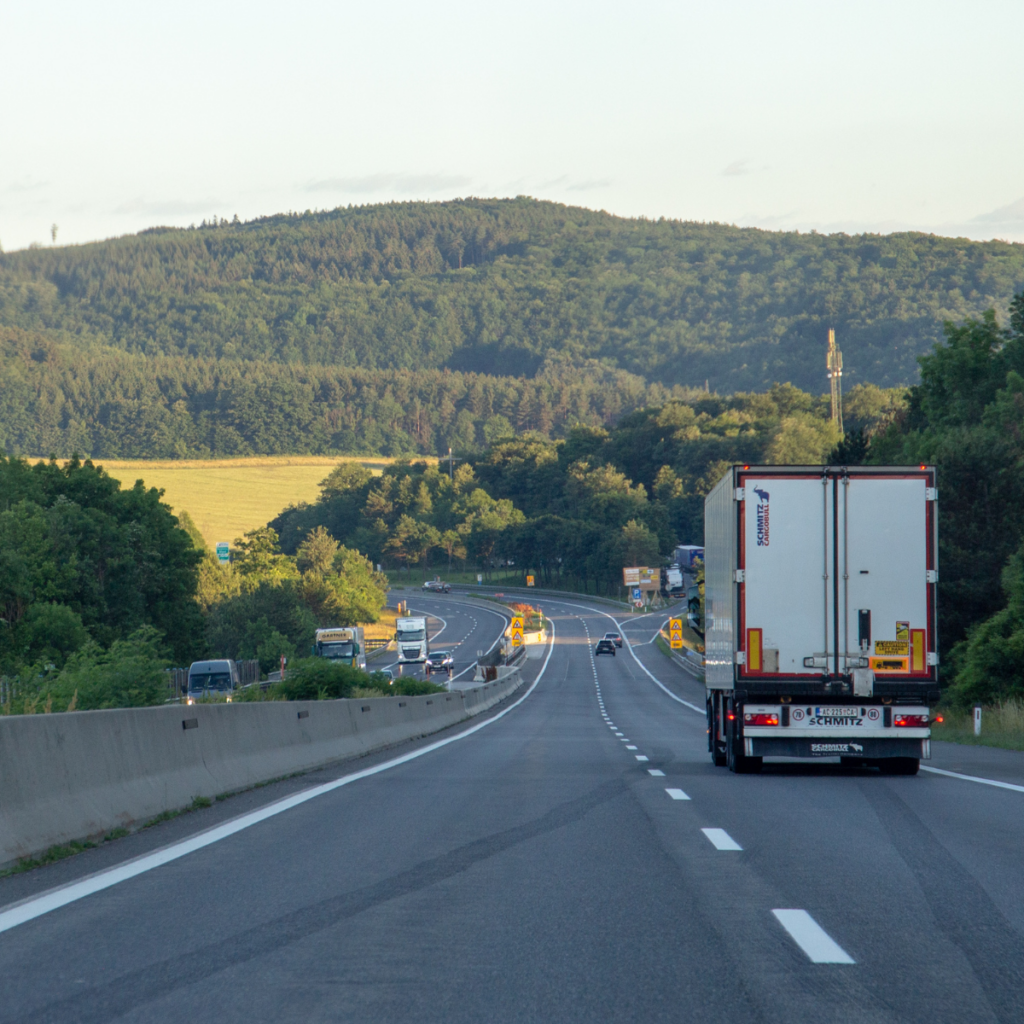
For private and dedicated fleets alike, fuel is one of the largest and most volatile line items on the budget. A truck idling in a loading dock, a driver taking a longer-than-necessary route, or a load that backtracks across a region all add up to real money lost and none of it shows up clearly until the fuel bill arrives. The good news is that most of this waste is preventable. With the right combination of telematics and route optimization, fleets can see exactly where miles and fuel are being lost, and fix it before it becomes a habit.
At TQ Logistics, this is built into how we run Dedicated Contract Carriage operations every day. Real-time visibility and smarter planning aren’t an add-on service, but a part of how we keep freight moving efficiently for the Fortune 500 companies we’ve supported since 1999.
The Hidden Cost of Unoptimized Routes
Every extra mile a truck drives is fuel burned, tires worn, and driver hours used without adding value to the delivery. Multiply that across a fleet running thousands of miles a week, and small inefficiencies become significant operating costs. Common culprits include:
- Inefficient routing that doesn’t account for traffic patterns, road restrictions, or delivery windows
- Excessive idling at docks, rest stops, or in traffic
- Backtracking and circuitous routes caused by poor load planning
- Lack of real-time visibility, which means problems aren’t caught until after the fact
These costs are often invisible until someone looks closely, which is exactly why many companies underestimate the true cost of operating a private fleet in the first place.
Real-Time Telematics: Seeing the Fleet as It Moves
Telematics systems give dispatchers and fleet managers a live picture of every truck on the road: location, speed, engine performance, idle time, and driver behavior, all in real time. Instead of reacting to a problem after a delivery is late or a fuel report comes in high, managers can spot it as it happens and course-correct immediately.
This is where technology partnerships make a measurable difference. TQ Logistics leverages in-cab technologies that monitor engine performance through ECM data, track unit locations via GPS, and flag driver behaviors that affect fuel efficiency and safety. Platforms like Samsara provide AI-powered insights into fleet efficiency and sustainability, while SpeedGauge focuses specifically on the driver behaviors and vehicle operations that most impact risk and fuel consumption. Together, these systems turn raw vehicle data into actionable insight, so inefficiencies get caught early instead of becoming a recurring expense.
Route Optimization: Planning the Mile Before It’s Driven
Telematics tells you what’s happening now. Route optimization software determines the most efficient path before the truck ever leaves the yard. By factoring in traffic, road conditions, delivery windows, and vehicle restrictions, optimization tools help eliminate the unnecessary miles that come from outdated or manually built routes.
TQ Logistics uses route optimization and dispatch software from partners like Trimble Maps to help control transportation spend and reduce miles driven without sacrificing on-time performance. Combined with a Transportation Management System that automates routing, tracking, and compliance, the result is a fleet that’s planned more precisely from the start. Not just monitored after the fact.
How Better Routing and Telematics Lower Fuel Usage
When real-time monitoring and smart route planning work together, the fuel savings compound:
- Fewer unnecessary miles — Optimized routes mean trucks aren’t driving further than they need to, which directly reduces total fuel consumption across the fleet.
- Reduced idling — Telematics flags excessive idle time so it can be coached and corrected, cutting fuel burned while a truck isn’t even moving.
- More fuel-efficient routes — Routing software can favor paths that avoid stop-and-go traffic, steep grades, or congestion, all of which increase fuel consumption per mile.
- Lower total miles traveled — Better upfront planning across a fleet’s full delivery schedule reduces redundant trips and backtracking, shrinking the total mileage needed to serve the same customers.
None of this happens by accident. It requires the right technology stack, the discipline to act on the data, and drivers who are trained to drive efficiently which is part of why TQ Logistics invests heavily in our dedicated drivers and the systems that support them.
Why This Matters for Companies Evaluating a Private Fleet
For companies weighing the cost and complexity of running their own private fleet, fuel efficiency is often one of the most underestimated variables. A dedicated fleet partner that has already invested in telematics, routing software, and driver training removes that burden and the cost savings tend to show up quickly in the form of lower fuel spend and fewer wasted miles.
This is one of several reasons companies turn to TQ Logistics’s Dedicated Fleet Benefits instead of managing the technology, compliance, and optimization work in-house. It’s also why we encourage prospective partners to learn more about why TQ Logistics takes this approach. Consistent on-time delivery and maximum cost efficiency are the two principles every dedicated solution is built around.
If unnecessary miles, excess idling, and inefficient routes are quietly driving up your fleet’s fuel costs, it may be time for a closer look at how your routes and trucks are managed. TQ Logistics offers a complimentary fleet analysis to help determine whether our dedicated services are the right fit for your business. Contact us today to start the conversation, or explore our Business Solutions to see how dedicated routing, telematics, and fleet management come together under one partner.