
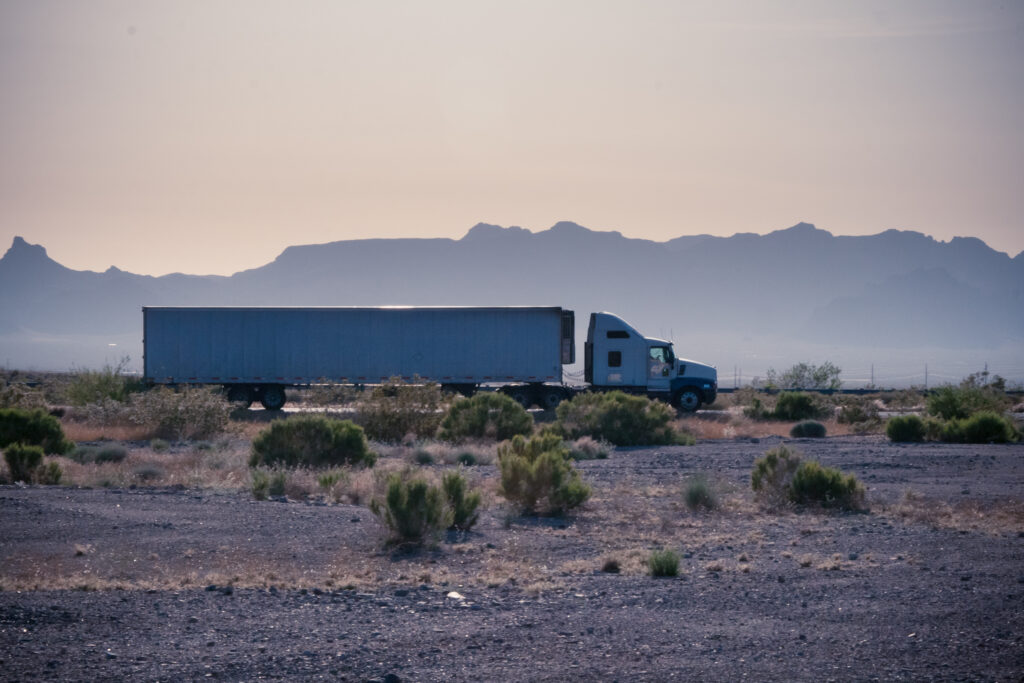
A truck that is not moving is not making money. For fleet operators, few problems are as costly, or as quietly persistent, as underutilized equipment. Trucks sit at docks longer than they need to, drivers wait on assignments that could have been reshuffled in advance, and vehicles log fewer productive trips than their capacity allows. Over the course of a year, these small inefficiencies add up to real losses in revenue and capacity.
Fleet utilization, simply put, is a measure of how effectively a fleet’s assets are being used relative to their full potential. Improving it does not usually require adding trucks or drivers. In most cases, it requires better visibility into what the fleet is already doing, and the ability to act on that information in real time.
Why Fleet Utilization Is Harder Than It Looks
On paper, keeping a fleet productive sounds straightforward: assign a truck, complete the trip, assign the next one. In practice, dispatchers are working with incomplete information. Without a live view of where every vehicle actually is, decisions get made based on estimates and outdated status updates rather than current conditions. A truck that finished its delivery early might sit idle for an hour simply because no one knew it was available. A delay on one route might not get factored into a reassignment until it is too late to matter.
The result is a fleet that looks fully deployed on a schedule board but is quietly underperforming on the road.
GPS and Telematics: The Foundation of Real-Time Fleet Visibility
GPS tracking and telematics systems solve this problem by giving dispatchers a continuous, accurate picture of where every vehicle is at any given moment. Instead of relying on a driver’s last check-in or a projected arrival time, fleet managers can see actual location, speed, stops, and route progress as they happen.
This kind of visibility does more than confirm that a truck is where it should be. It creates the foundation for faster, more confident decision-making across the entire operation. Our Technology page outlines the telematics and routing tools TQ Logistics uses to build this kind of visibility into every dedicated fleet we manage.
Turning Data Into Better Rerouting and Reassignment Decisions
Real-time location data is only valuable if it changes what happens next. When dispatchers can see a delay developing on one route, they can reroute that vehicle before the delay compounds. When a truck finishes a run ahead of schedule, it can be reassigned to the next available load instead of sitting at a yard waiting for instructions.
This is where telematics and route optimization intersect. As we covered in our recent post on how telematics and route optimization cut waste from every mile, the same systems that reduce fuel waste also make it possible to reassign vehicles dynamically, based on where they are and what they are doing right now, rather than where a schedule assumed they would be.
Reducing Idle Time and Increasing Productive Trips
Idle time is one of the clearest signs of an underutilized fleet, and one of the most fixable. Every hour a truck spends waiting instead of moving is an hour of lost capacity. With real-time visibility, fleet managers can identify patterns of idle time as they emerge, whether that means a bottleneck at a particular yard, a recurring delay on a specific route, or a mismatch between available trucks and available loads.
Addressing those patterns directly increases the number of productive trips each vehicle completes, which improves overall fleet output without adding a single truck to the roster. This same principle underpins our approach to Dedicated Fleet Benefits, where operational efficiency is built into the way the fleet is managed day to day, not treated as an afterthought.
How TQ Logistics Approaches Fleet Utilization
At TQ Logistics, fleet utilization is not a metric we check occasionally. It is a core part of how we run Dedicated Contract Carriage operations for our clients. By combining GPS tracking, telematics, and routing software with experienced dispatch teams, we give our clients a fleet that is not just moving, but moving efficiently.
If you want to understand how your current fleet is performing and where utilization gains might be hiding, we offer a complimentary fleet analysis. Reach out to Andrew Bounds at andrew.bounds@tqlogistics.com to get started, or visit our Contact Us page to learn more about how TQ Logistics can help your business get more out of every vehicle on the road.